Case Study: Motion-Activated Alarm Device
This project was completed in collaboration with an Australian home safety startup operating in the IoT and consumer safety product space. The entire engagement — from concept development to prototype delivery — was successfully executed over a 9-week period.
The Challenge
An Australian home safety startup approached us with a straightforward yet ambitious idea: a compact, motion-triggered alarm device that works independently — no app, no Wi-Fi. It needed to be battery-powered, simple to install, and loud enough to alert residents when someone enters a designated space like a garage, hallway, or vacant property. With no internal hardware team, the client relied on us for end-to-end product realization.
What We Did
We took on the entire product development journey — from early concept to production-ready prototypes — with all design work executed in Australia. This included the enclosure design, mechanical engineering, and PCB layout. The client retained full IP ownership.
Once the design was locked, we sourced and managed a reliable overseas manufacturing partner with experience in motion-sensor devices and battery-powered assemblies. We oversaw all sampling, refinement, and mass production processes, including packaging design, manuals, and product labeling.
Beyond manufacturing, we handled shipping, customs, and compliance documentation. We also supported the client through local Australian certifications, including RCM (Regulatory Compliance Mark), ensuring the device met all market-entry requirements.
The Outcome
- 100 fully functional prototypes delivered in 9 weeks
- Client validated the product through real-world testing with early adopters and retail partners
- 1,000 production units delivered within 6 weeks after prototype approval
- A compliance-ready supply chain, with full support for RCM labelling and documentation in accordance with Australian regulations.
- Entire product IP owned by the client and ready for mass scale-up
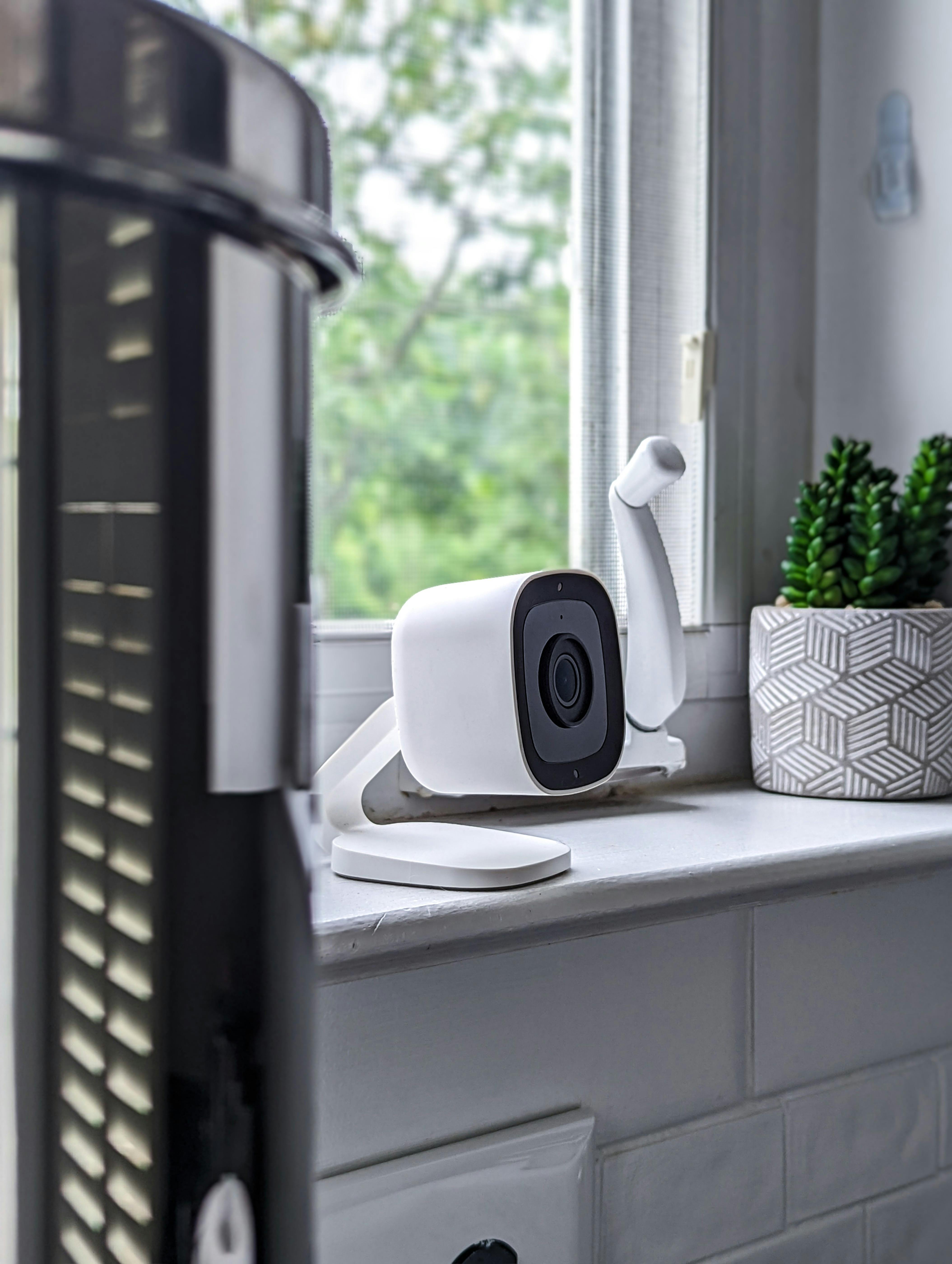
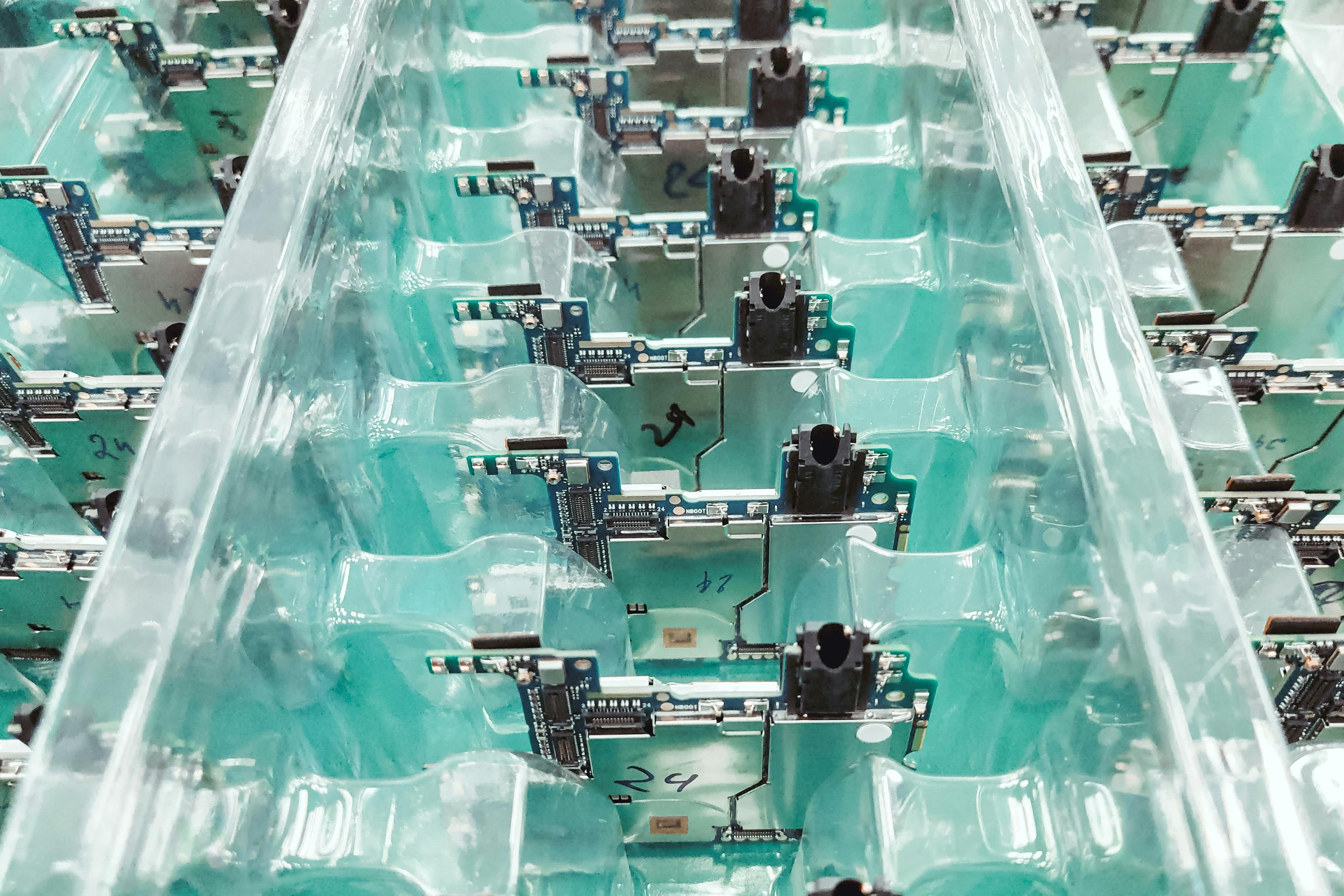
*To protect client privacy, some images and visuals used in this case study are for illustrative purposes only and do not depict actual customer devices or branding.